



Price Sensitivity
Some products sell just as well at a higher price, while others lose buyers instantly. AI tells them apart.
Pricing
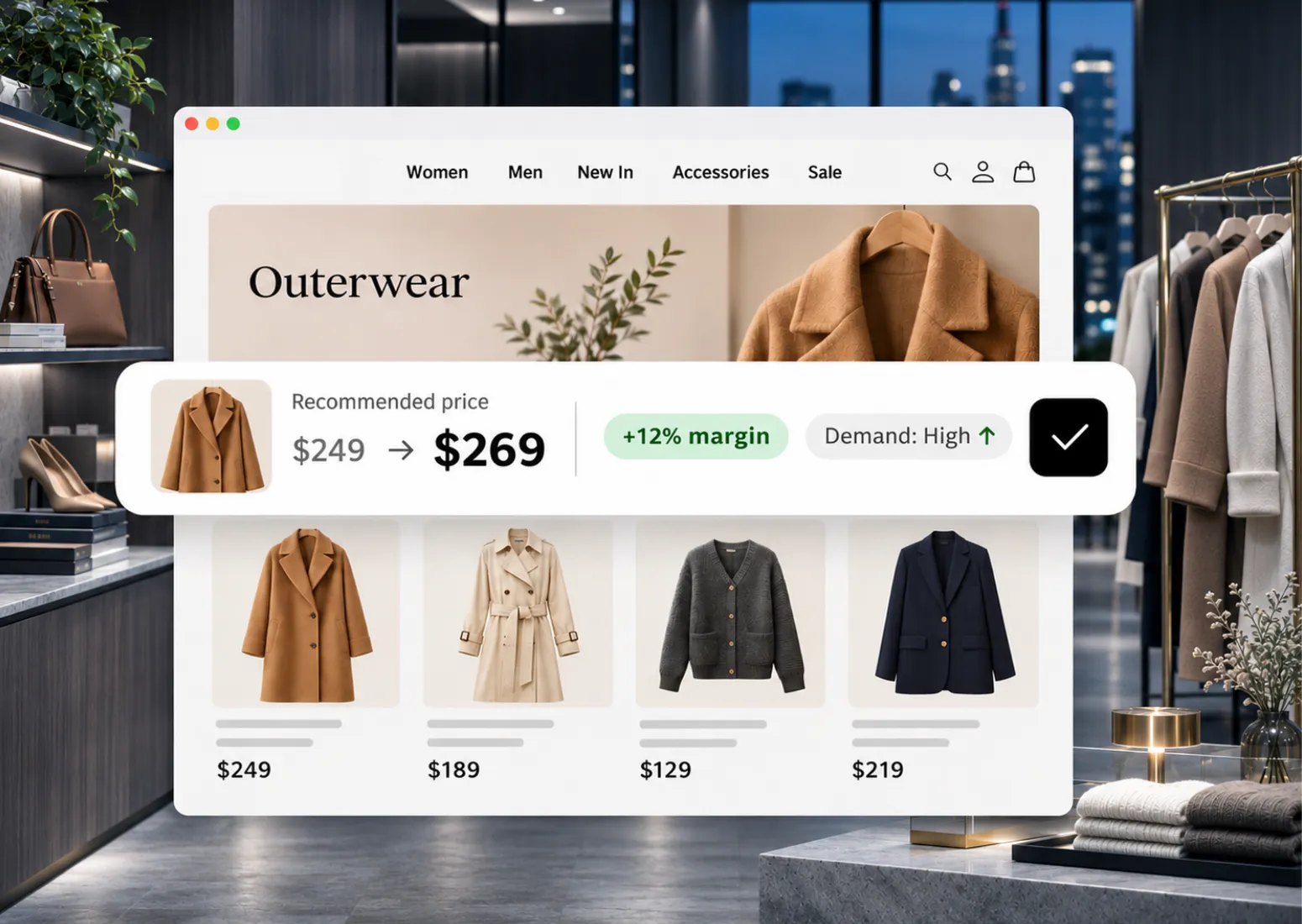
Raise prices where shoppers won’t flinch, hold them where they’re watching, and see the likely effect on sales and margin before anything changes.
Price is the fastest lever on profit and, for most retailers, the least tested. Prices get set at launch, nudged when a competitor moves, and cut when stock piles up. Teams rarely know how sensitive shoppers are to each product’s price, so they leave money on the table for items people would happily pay more for, and lose sales on the ones shoppers compare everywhere. Rules live in spreadsheets, checks happen weekly at best, and by the time a price changes, the moment has usually passed.
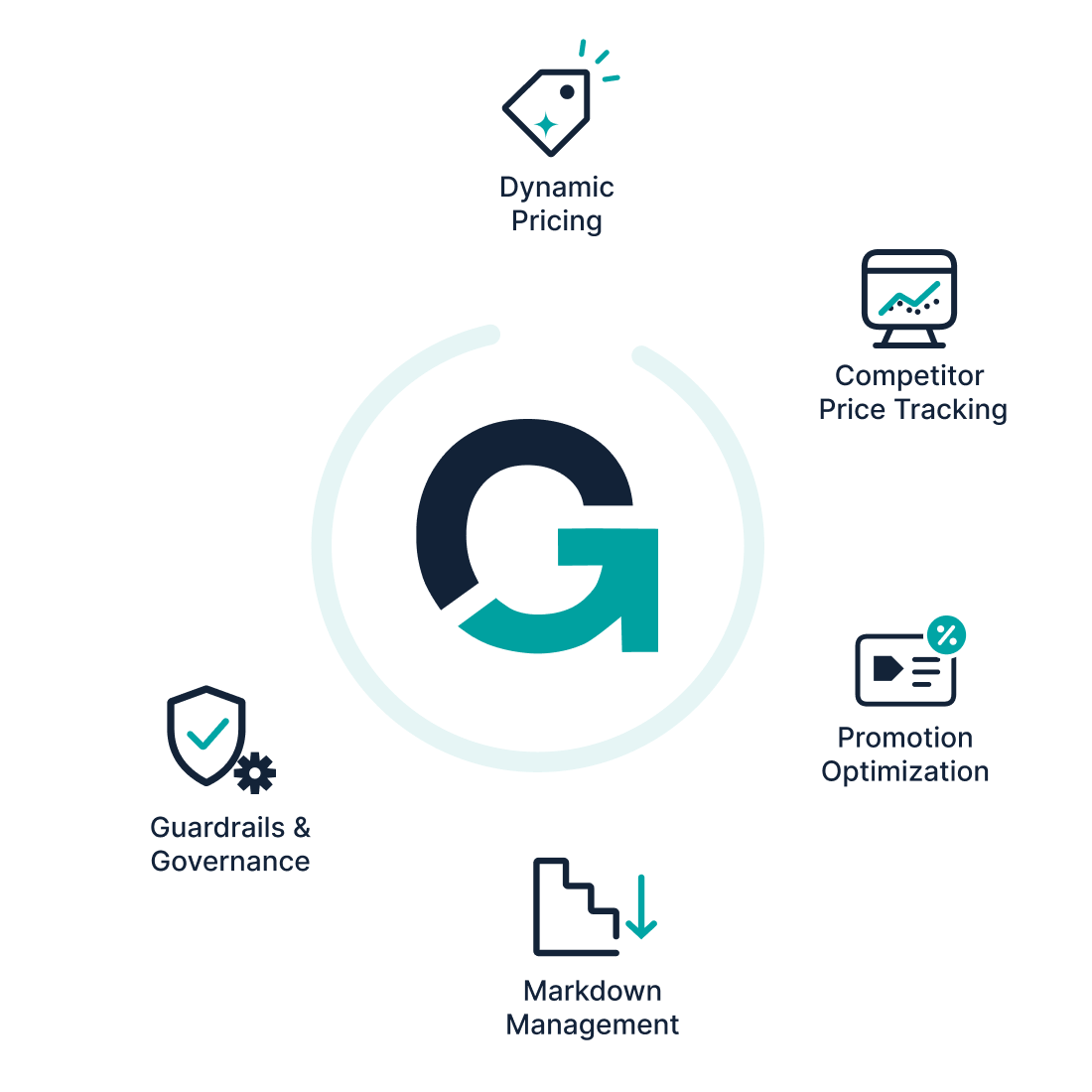
Within Growdhi’s Price IQ, Pricing studies how each product’s sales respond to price changes, a measure known as price elasticity, alongside demand, stock levels, and competitor prices. From that, it recommends which prices to raise, hold, or lower, product by product and channel by channel. Each suggestion comes with its expected effect on sales and margin, and stays inside the guardrails your team defines, such as minimum margins and brand price rules. Promotions and markdowns run on the same engine, so everyday prices, offers, and clearance never conflict.
Pricing only earns trust when it can’t surprise you. Before any price moves, your team decides how far it’s allowed to go.
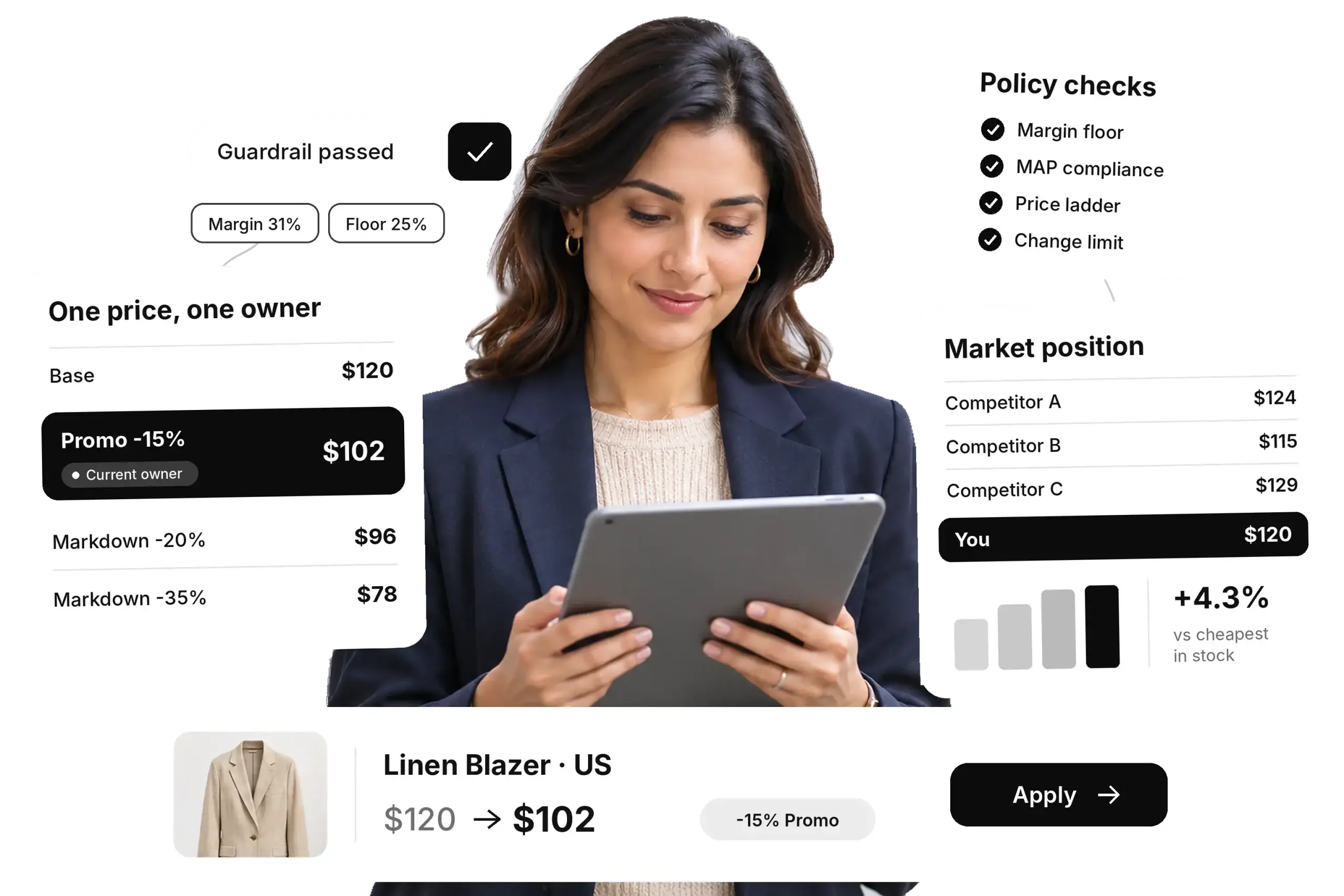
Set minimum margins, the largest change allowed in one step, price gaps between entry, mid, and premium items, and products that must never change. Approve recommendations one by one, or let routine changes run once you’re comfortable. Nothing goes live outside your limits.
Some products sell just as well at a higher price, while others lose buyers instantly. AI tells them apart.

Shoppers compare a handful of products everywhere. Those prices stay sharp, while the rest of your range protects margin.

Too much stock and too little stock call for different prices. Recommendations shift as inventory levels change.

Automation without limits is a risk. Recommendations always respect the margin floors and price rules you set.
See how Pricing by Growdhi tracks competitors, protects the products shoppers judge you on, keeps store and online prices in line, tests a price before you use it, and goes live one careful step at a time.
Test a price first. Growdhi shows the likely effect on sales and profit, how competitors might react, and how shoppers might switch between store and online.
Shoppers don’t check every price, only the ones they know. Growdhi tracks competitor prices on those products and responds within your rules.
A product running low and one piling up shouldn’t carry the same price logic. Recommendations adjust as stock and expected demand change.
Your pricing strategy becomes a set of clear rules, and the system works inside them. Your team decides what needs a human sign-off.
Recommendations are only as good as their results. Growdhi measures what happened after each change and feeds it back into the next one.
 Market or cost changes
Growdhi's Dynamic Pricing

Compares your price with the cheapest competitor in stock, and ignores prices that are out of date or not a true match.

Proposes each move from your pricing rules. Margin floor, brand minimum prices and daily limits can only make it safer, never riskier.

Key products and large moves wait for your team. Automation grows step by step, only as measured results earn it.
Competitor prices from the pages you track • True landed cost and stock from Inventory Demand response from Demand Forecasting
Every approved price reaches each channel. Pricing steps aside while a promotion or clearance price is live.

Prices updated within minutes

Shelf labels or relabel tasks

The everyday price their offers and clearance steps start from


Built for businesses who can’t afford to guess on price, Pricing adapts to your categories, your competitors, and your margin goals.

Fashion & Apparel
Fashion margin is won or lost before the first markdown. Pricing spots the styles that can hold their price and the ones that need help early, so fewer reach the sale rack.

GROCERY & HYPERMARKET
Grocery shoppers know the price of a few staples and little else. Staying sharp on those items while protecting margin elsewhere keeps your store competitive without starting a price war.

SPECIALTY STORE
Specialty shoppers pay for range and advice, but they still compare popular items online. Pricing matches the market where shoppers compare and holds firm where your expertise sets you apart.
A space to explore ideas, spark perspectives, and turn curiosity into clarity. Where thinking evolves into meaningful insights that guide smarter decisions.

 Blog
Every fashion retailer commits money to product months before it knows what customers will buy. This guide explains how fashion margin is made and lost, how business models place that bet, and how leaders use AI in 2026.
Read Article Blog
Grocery is the one retail segment where a bad decision can expire before anyone reviews it. Margins run at a few cents on the dollar, fresh stock lasts days, and shoppers return every week to test whether the store still delivers value. Most enterprise grocers already own capable systems for forecasting, pricing, ecommerce and loyalty. […]
Read ArticleFind quick answers to common questions about our solutions, features, and capabilities. Everything you need to understand how it works and how it helps your business.
It’s pricing based on how your shoppers actually respond, not on fixed rules or gut feel. AI combines price sensitivity, demand, stock, and competitor prices to recommend the right price for each product.
No. Matching competitors on every product would erode margin fast. Growdhi stays competitive on the products shoppers compare most and protects margin on the rest, within rules you set.
You define the limits: minimum margins, maximum price changes, price gaps between products, and items that must never change. Recommendations stay inside those limits, and you choose which changes need approval.
It studies your own sales history to see how demand changed when prices moved, while filtering out the effects of promotions and seasons. That reaction, called price elasticity, guides each recommendation.
It sits within Price IQ alongside Promo Optimization and Markdown Management, so everyday prices, offers, and clearance follow one strategy. It also uses the Plan IQ demand forecast and current stock levels to time each change.